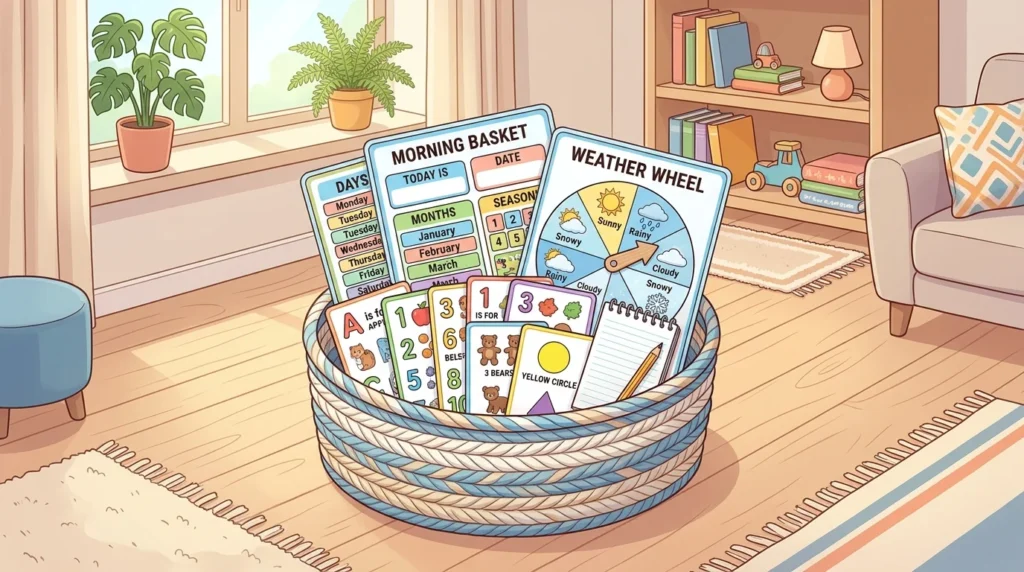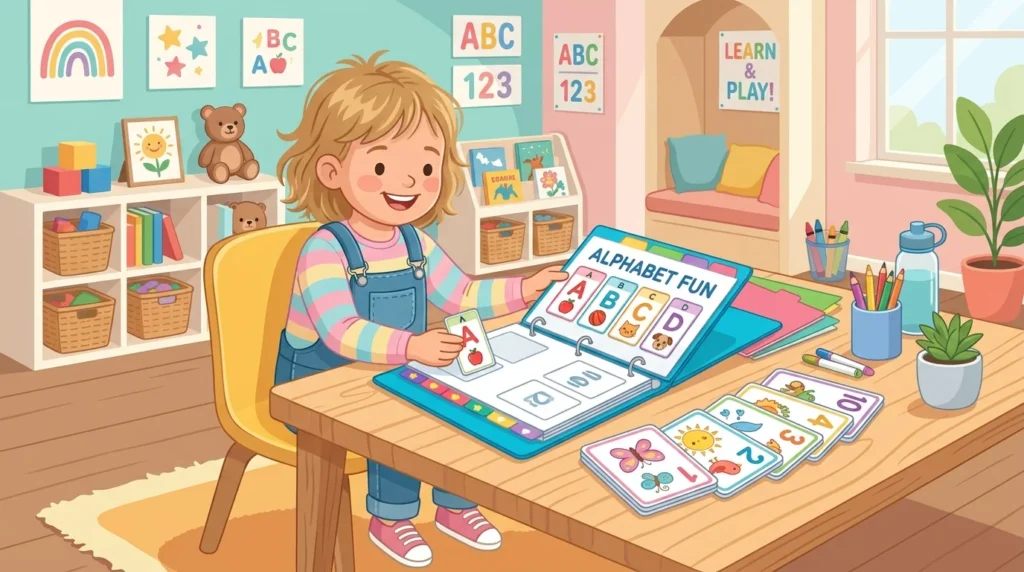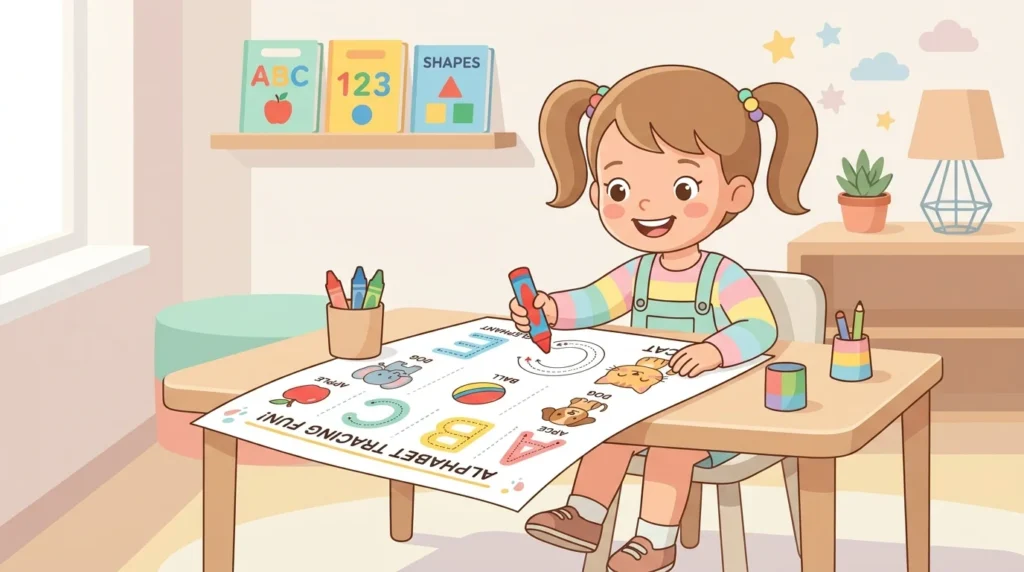
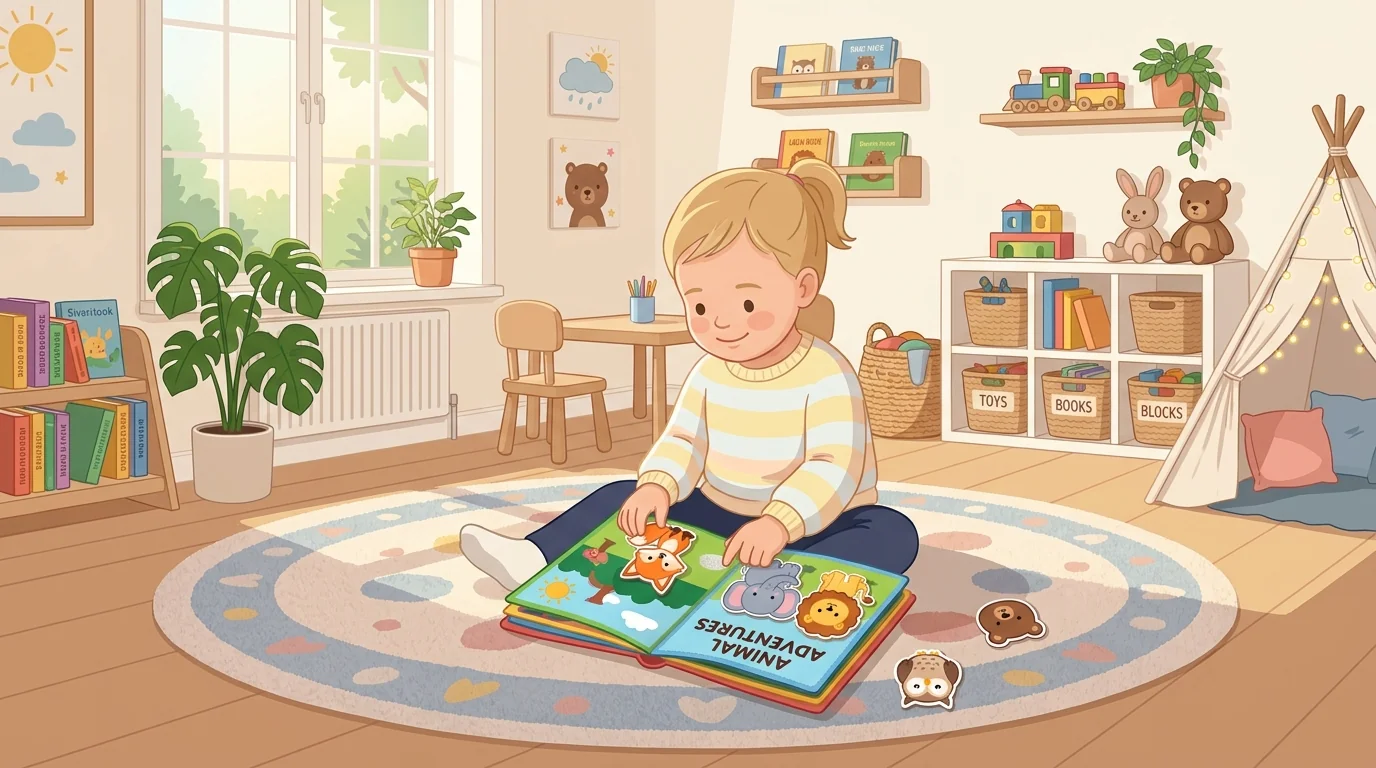
Every parent and homeschooler knows the intense afternoon lull when naps begin to phase out, energy levels run wild, and everyone in the house desperately needs a breather. Introducing toddler quiet time busy books during this transition provides a calm, screen-free sanctuary where little learners practice self-directed play. In my own daily routine, having a dedicated basket of tactile activity books has saved countless afternoons from meltdown territory.
A quiet book isn’t just a collection of random worksheets stapled together. It is a carefully engineered tactile playground designed for repetitive exploration. When you incorporate movable velcro cutouts, color-sorting mats, and matching puzzles, children stay engrossed because their hands and minds work in harmonious synchrony.
Key Takeaways
Actionable principles for designing captivating quiet time binders:
- Focus on intuitive, self-correcting activities so toddlers don’t need constant adult assistance.
- Use hook-and-loop velcro dots to turn flat paper printables into satisfying interactive manipulatives.
- Limit each binder to eight or ten active pages to prevent sensory overwhelm and keep cleanup manageable.
- Rotate themes weekly to maintain fresh novelty and high engagement over long stretches.
To skip hours of tedious graphic drafting and start selling high-demand quiet book printables today, Ready-made Kids Digital Products on plrbizhub.com delivers fully customizable Canva templates built for high buyer satisfaction.
Why Quiet Time Matters For Toddler Cognitive Development
Between ages two and four, children experience massive cognitive growth alongside rapid language acquisition. However, their nervous systems easily become overstimulated by noisy electronic toys and endless media input. Developmental research curated by ZERO TO THREE demonstrates that unstructured, quiet independent play encourages emotional self-regulation, spatial problem-solving, and resilience when facing mild challenges.
When a toddler sits down with an interactive busy book, they make independent decisions without parental direction. Should the yellow button go on the yellow duck or in the yellow pond? Can the circle fit inside the square cut-out? Working through these tactile problems strengthens executive functioning skills that serve as the bedrock for future academic learning.
Essential Activity Pages Every Quiet Book Needs
When drafting your pages, aim for a balanced mix of visual recognition, fine motor coordination, and imaginative association. Here are the core activity templates that generate the highest engagement rates in early learning environments:
Color and shape matching mats
Start with bold, high-contrast scenes where toddlers match primary colored tokens onto corresponding silhouettes. A great layout features a rainbow tree where children press red apples, green leaves, and blue birds onto matching colored branches. The physical snap of hook-and-loop velcro provides satisfying auditory and tactile confirmation that the child placed the piece correctly.
Visual size sorting and shadow matching
Graduating from simple color matching, shadow matching challenges children to identify silhouettes based solely on geometric contour. For instance, matching safari animals or construction vehicles onto their dark shadows sharpens visual discrimination. Similarly, three-tier size sorting – arranging small, medium, and large teddy bears into designated beds – teaches relative spatial concepts naturally.
Count-and-clip or count-and-stick boards
Introduce early numeracy by matching countable objects to numeral cards from one to five. A farm-themed sheet featuring three pigs, four cows, and two sheep invites toddlers to count each group and attach the matching number token with velcro. For a comprehensive pre-assembled collection of these math and sorting layouts, the preschool activity learning bundle provides ready-to-print assets covering all core milestones.
Step-By-Step Assembly Process For Maximum Durability
Toddlers are notoriously tough on paper goods. If you print on standard copy paper without protection, a busy book will rarely survive its first afternoon. Follow this reliable production sequence to create books that endure months of energetic play:
- Print on Heavy Cardstock: Use 65-pound or 80-pound smooth white cardstock. This ensures colors pop vibrantly and gives the paper structural integrity when wet adhesives or lamination are applied.
- Heat Laminate Base Sheets: Run both the main background pages and the cutout manipulative sheets through a thermal pouch laminator using 5-mil pouches. Trim cutouts carefully with a slight transparent plastic margin so the seal remains waterproof.
- Apply Velcro Dots Systematically: Consistency is crucial. Always place the clear hook (rough) dot on the movable piece and the white loop (soft) dot on the base binder page. This prevents loose pieces from snagging on carpets or clothing when dropped.
- Bind with Rings or Coil: Hole-punch the laminated pages and secure them using one-inch metal loose-leaf binder rings or a plastic spiral coil. Rings allow you to effortlessly swap pages and reorganize themes.
For detailed tool recommendations and heat settings, read our in-depth walkthrough on laminating preschool activity binders, and see how this fits alongside preschool learning binders across your home classroom.
How To Introduce Quiet Books Into Your Daily Routine
If you hand a toddler a brand-new busy book and immediately walk away into another room, they might feel abandoned or overwhelmed. The secret to long-term quiet time success lies in a gentle introductory phase.
Sit with your child for the first three sessions. Show them how to pull off a piece, examine its picture, and press it back into place. Cheer enthusiastically when they complete a matching page. Once they feel mastery over the mechanics, place the binder in a designated quiet corner equipped with a soft rug, floor pillows, and soft lighting.
Pairing this space with preschool daily routine charts gives young children a clear visual marker indicating when quiet book time begins and ends, establishing predictable peace across the afternoon.
Commercial Potential: Why Parents Eagerly Buy Quiet Book Printables
From a digital entrepreneur’s perspective, quiet books represent one of the most evergreen niches in the entire printables market. Modern parents are actively seeking screen-free alternatives to tablets, especially for road trips, airplane flights, restaurant visits, and doctor waiting rooms.
By packaging multi-page busy books as instant PDF downloads on independent storefronts or Shopify, digital sellers achieve healthy profit margins with zero inventory overhead. Offering seasonal packs (holiday themes, summer camping, winter wonderlands) creates natural repeat buyers who return throughout the year. You can explore high-performing digital product strategies across our resources at plrbizhub.com.
Frequently Asked Questions
What is the best age for a child to use quiet time busy books?
Toddler busy books work wonderfully for children aged two to five. For younger two-year-olds, emphasize oversized pieces with simple color and animal matching. For four- and five-year-olds, incorporate early phonics, counting, and pattern sequencing to match their growing analytical abilities.
How do I prevent toddlers from losing small cutout pieces?
Attach a clear zippered pouch or adhesive pocket at the back of each binder to store loose pieces. Additionally, keeping Velcro pieces firmly attached to their matching silhouettes during storage ensures that every page is complete and ready for the next play session.
Can I make a busy book without a thermal laminator?
Yes. You can use self-adhesive laminating sheets or slide your printed activity sheets into heavy-duty plastic sheet protectors inside a three-ring binder. While thermal lamination offers the longest durability, sheet protectors provide an inexpensive, quick starting option.
Are commercial PLR quiet book templates safe to resell online?
Yes, provided you purchase templates with explicit commercial private label rights. These licenses allow you to rebrand the artwork, customize page layouts in software like Canva, export to PDF, and sell them directly to end-user parents and teachers.
Crafting intentional quiet time books transforms hectic afternoons into peaceful moments of purposeful discovery. With simple materials and engaging themes, you provide children with the gift of calm confidence and creative exploration.