Anyone who has attempted to rush a three-year-old through brushing teeth, putting on shoes, and eating breakfast knows that verbal reminders can quickly devolve into exhausting power struggles. Young children lack an adult’s abstract grasp of time. Telling a toddler they have “five minutes until we leave” sounds like an arbitrary foreign language. In my household and homeschool studio, implementing preschool daily routine charts transformed chaotic transitions into peaceful, self-directed milestones.
Visual schedules replace verbal nagging with visual certainty. When children can look at an illustrated board and physically move a card from the “To Do” column into the “Done” pocket, they experience genuine pride and autonomy. Designing these charts with intuitive graphics and durable materials gives families a reliable roadmap for smooth mornings and restful evenings.
Key Takeaways
Core insights for building effective visual routine boards:
- Use concrete picture icons rather than text-heavy descriptions so non-readers understand expectations instantly.
- Break routines into chronological segments – morning, afternoon learning, and bedtime – to prevent overwhelm.
- Incorporate interactive mechanics like movable velcro tokens or flip-flap checkboxes for rewarding tactile feedback.
- Position charts at child eye level so toddlers take full personal ownership over their daily progress.
To provide parents with calming visual schedules without spending hours designing individual routine icons, Ready-made Kids Digital Products on plrbizhub.com offers editable daily chart templates formatted for effortless customization.
Why Visual Schedules Lower Anxiety And Tantrums
Predictability is emotional safety for young children. When kids feel out of control or surprised by sudden demands, their developing nervous system perceives a threat, triggering fight-or-flight behaviors like defiance and tears. Behavioral guidance published by the Child Mind Institute confirms that visual schedules significantly decrease childhood anxiety and meltdowns by creating structured, predictable expectations that help kids mentally prepare for transitions.
When you point to a chart and say, “Let’s check what our schedule says is next,” you remove yourself as the demanding adversary. The chart becomes an objective, neutral guide. This subtle psychological shift builds intrinsic cooperation and nurtures healthy executive functioning habits.
Essential Visual Segments Of A Toddler Daily Routine
Trying to cram twenty-four individual activities onto a single sheet will confuse a three-year-old. The most successful charts group daily events into three manageable clusters:
Morning rhythm cards
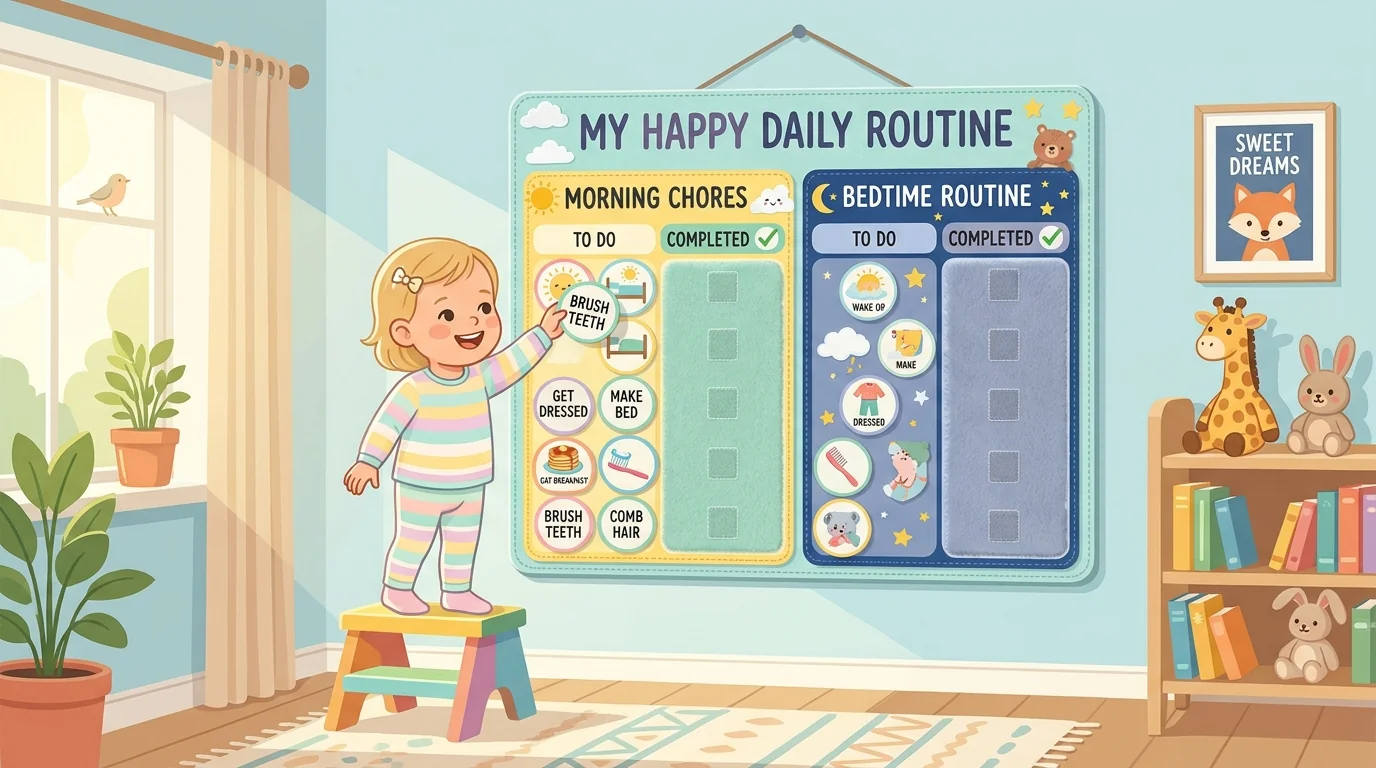
Keep morning charts concise with four to six vital steps: wake up, use bathroom, brush teeth, get dressed, eat breakfast, and put on shoes. Illustrate each step with clear, uncluttered graphics. For example, show a pair of shoes rather than a whole closet, ensuring children grasp the immediate goal without visual distraction.
Homeschool and active learning block
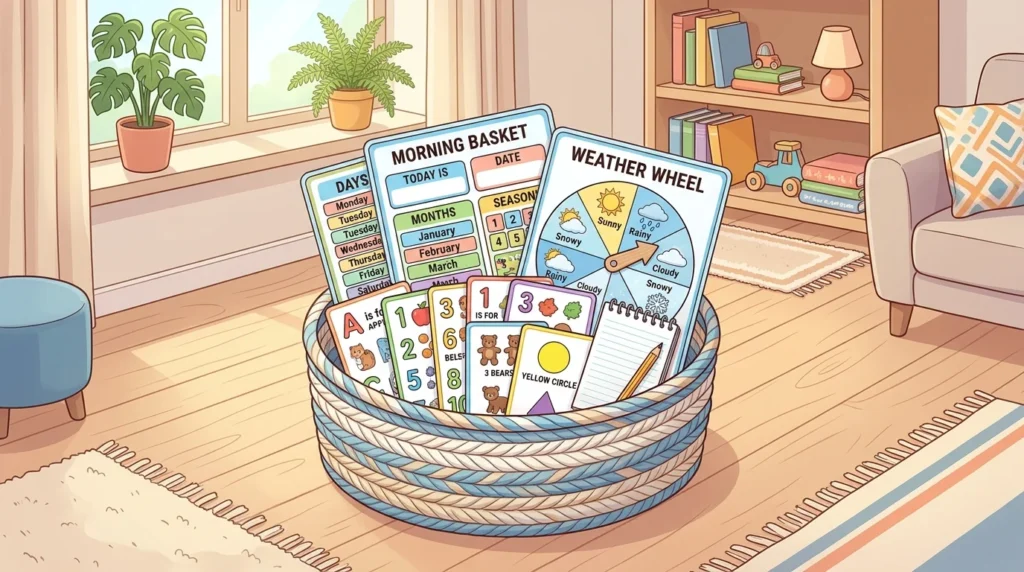
Incorporate flexible anchor icons for your learning schedule: book reading time, outdoor sensory play, fine motor crafts, and quiet independent rest. This segment connects smoothly with homeschool morning basket printables and structured learning sessions outlined in our homeschool preschool curriculum planning playbook.
Evening wind-down sequence
Evenings often present bedtime resistance. A soothing visual sequence – clean up toys, warm bath, soft pajamas, brush teeth, bedtime story, cuddle and lights out – cues melatonin release and prepares the child’s body for rest. Knowing exactly how many stories remain before lights-out eliminates endless negotiation.
Auditory countdown cues and transition songs
Visual cards become twice as effective when paired with consistent auditory anchors. For example, singing a short clean-up melody or ringing a soft chime five minutes before flipping the visual card gives toddlers time to disengage from active play gracefully. Transition warnings respect the child’s focus and dramatically minimize abrupt meltdowns.
Why rhythm boards outperform rigid reward sticker charts
Traditional reward charts often rely on external bribes: “Put on your shoes and you get a sugar treat or sticker.” While this might work temporarily, children quickly lose interest or negotiate for bigger rewards. Visual rhythm charts, by contrast, focus on natural sequence and communal harmony: “First we put on shoes, then we can run outside at the park.” This fosters genuine internal motivation and self-management that endures.
If you want a complete library of printable visual cards covering chores, learning blocks, and daily hygiene, the preschool activity learning bundle provides ready-to-edit Canva templates with hundreds of interchangeable icons.
Top Physical Formats For Daily Routine Displays
How you display your routine chart influences how eagerly your child interacts with it. Here are three popular presentation styles you can create with standard craft materials:
- The “To-Do” and “Done” Velcro Board: Mount a horizontal or vertical laminated poster board divided into two columns. Moveable cards start on the left (“To Do”) and the child moves them to the right (“Done”) with a satisfying velcro rip once completed.
- Foldable Flap Checklists: Create a cardstock sheet with horizontal cut flaps. When a child finishes an activity, they fold the paper flap upward, revealing a bright green checkmark or star underneath.
- Magnetic Refrigerator Strips: Attach small magnetic tape strips to the back of laminated cards. Children slide the magnets across the refrigerator door, making routines an integral part of the family kitchen hub.
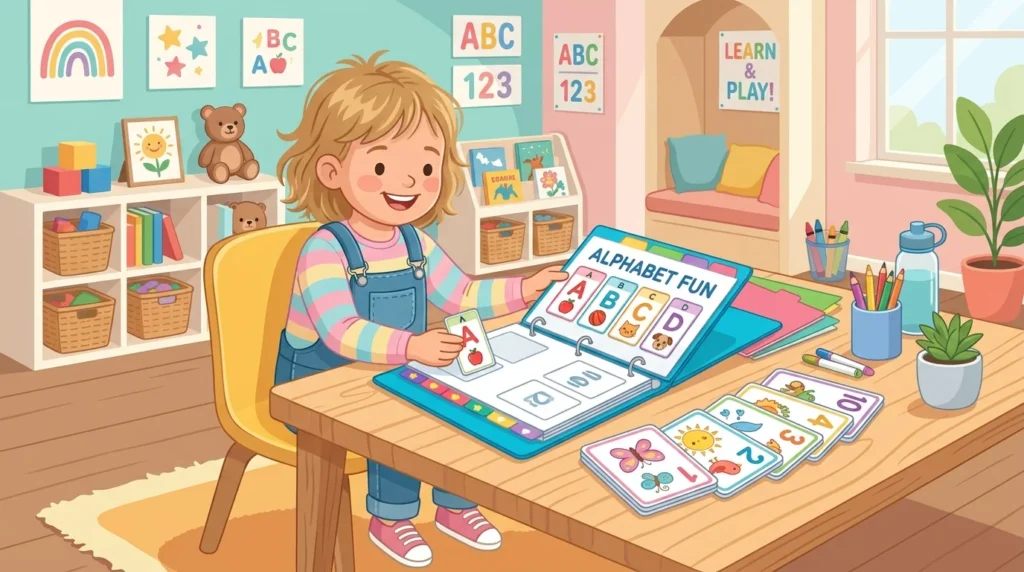
For modular portability, these routine cards can also be bound directly inside our complete guide to preschool learning binders, allowing parents to take familiar daily rhythms on vacations and family visits.
Customizing And Selling Routine Charts In Your Digital Store
Routine charts and chore printables represent evergreen bestsellers on digital storefronts and Shopify stores. Parents actively search for visual schedule solutions at the start of every school semester, during summer breaks, and when preparing toddlers for preschool entry.
To maximize sales, offer both pre-filled routine sets and blank customizable templates where parents can insert their own routine photos or special family traditions. Including multiple gender-neutral colorways (modern boho neutrals, gentle pastels, and primary brights) broadens your listing’s demographic appeal. Explore more digital product creation resources at plrbizhub.com.
Frequently Asked Questions
At what age can toddlers begin using a visual routine chart?
Children can start interacting with simple visual routines around eighteen months to two years old. Begin with just two or three icons (such as breakfast, park time, and nap) before expanding into multi-step morning and bedtime sequences as their comprehension expands.
Should routine charts be rigid with strict clock times?
No. For preschoolers, visual schedules should represent rhythm and sequence rather than strict clock times. Young children do not understand that “8:15 AM” means shoes on; they understand that shoes come directly after breakfast. Sequence provides comfort without unnecessary rigidity.
What should I do if my child resists following the chart?
Involve your child in setting up the chart. Let them choose which card goes first, stick on the velcro dots, or take photos of themselves completing each chore. When children feel ownership over the board, compliance increases naturally.
Can I sell visual schedule printables created with commercial PLR templates?
Yes. Commercial PLR templates give you the full legal right to edit graphics, add custom typography, rebrand with your shop identity in Canva, and sell the finished printable PDF files to your customers with zero royalties.
Bringing visual rhythm into your home replaces daily stress with calm, confident cooperation. When children can see what comes next, they navigate their days with peace, joy, and the proud satisfaction of independent accomplishment. Investing thirty minutes to print and assemble an interactive schedule pays compounding dividends in family harmony and emotional resilience for years to come.