When my sister started homeschooling her four-year-old, her dining table looked like a hurricane hit an office supply store. Flashcards floated across the floor, loose worksheets curled into soggy paper tubes, and five minutes into morning time, everyone felt completely overwhelmed. That chaotic morning showed me why so many modern parents and educators gravitate toward structured, tactile systems. Among all early childhood tools, preschool learning binders stand out as the most practical solution for organizing daily foundational concepts into engaging, reusable learning stations.
An interactive binder transforms scattered worksheets into a durable, portable sensory workspace. Instead of printing dozens of single-use coloring sheets every week, parents and teachers can create interactive velcro matching mats, dry-erase tracing boards, and manipulative pockets that keep little hands busy and curious minds focused. In this comprehensive guide, I walk you through the essential anatomy of a high-converting preschool binder, the exact lamination and binding techniques required for durability, and how creators can build a thriving digital shop selling printable homeschool curriculum.
Key Takeaways
Quick facts you should know before designing or purchasing interactive learning binders:
- Preschool learning binders organize foundational developmental skills into durable, tactile modules that replace single-use paper clutter.
- Using hook-and-loop fastener dots with 5-mil thermal lamination pouches provides maximum tear-resistance for energetic toddler fingers.
- A modular curriculum layout covering alphabet sequencing, number counting, color sorting, and personal name tracing keeps children engaged without sensory fatigue.
- Selling ready-to-print digital activity downloads allows creators to generate repeatable sales without managing physical inventory or shipping logistics.
To skip the design phase and start selling profitable preschool assets immediately, Ready-made Kids Digital Products on plrbizhub.com provides professionally formatted digital assets that eliminate creation fatigue while maximizing profit margins. These tested templates allow creators to launch their stores in hours rather than weeks.
Core Anatomy Of A Winning Preschool Learning Binder
A well-planned binder avoids the dreaded trap of cognitive overload. When designing educational materials for children aged two to five, clarity always trumps decorative clutter. Research documented on early childhood education frameworks indicates that young learners process visual information best when distractions are minimized and interactive elements provide clear physical feedback.
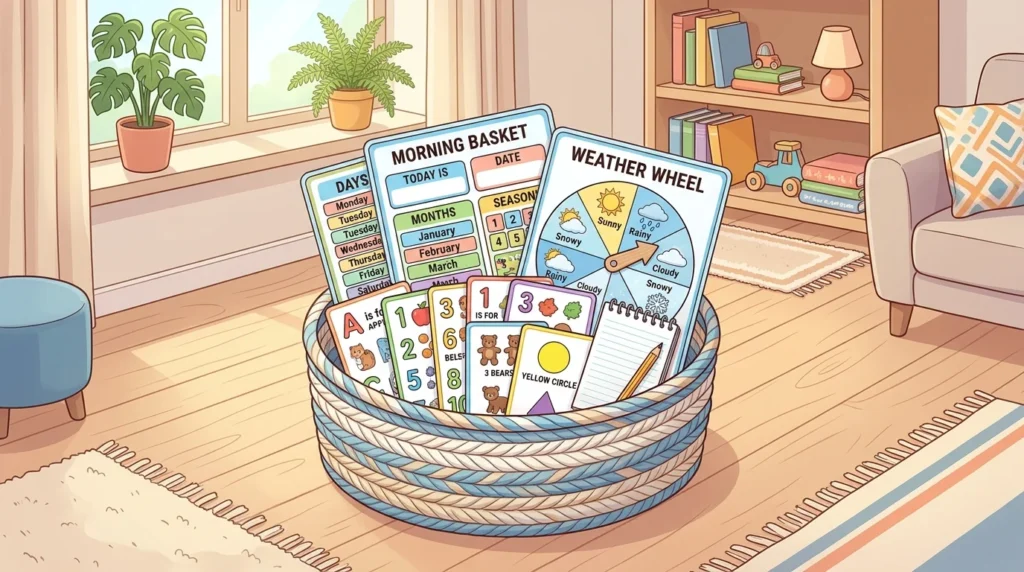
Every effective binder starts with a personalized introductory page. Children love identifying their own names, their age, and the weather outside their window. Creating an interactive morning calendar board with movable weather tokens and days-of-the-week strips grounds the learning routine in familiar daily reality. When kids feel personal ownership over their binder cover, they treat the notebook with respect rather than tossing it aside.
From there, I organize the binder into four progressive thematic sections:
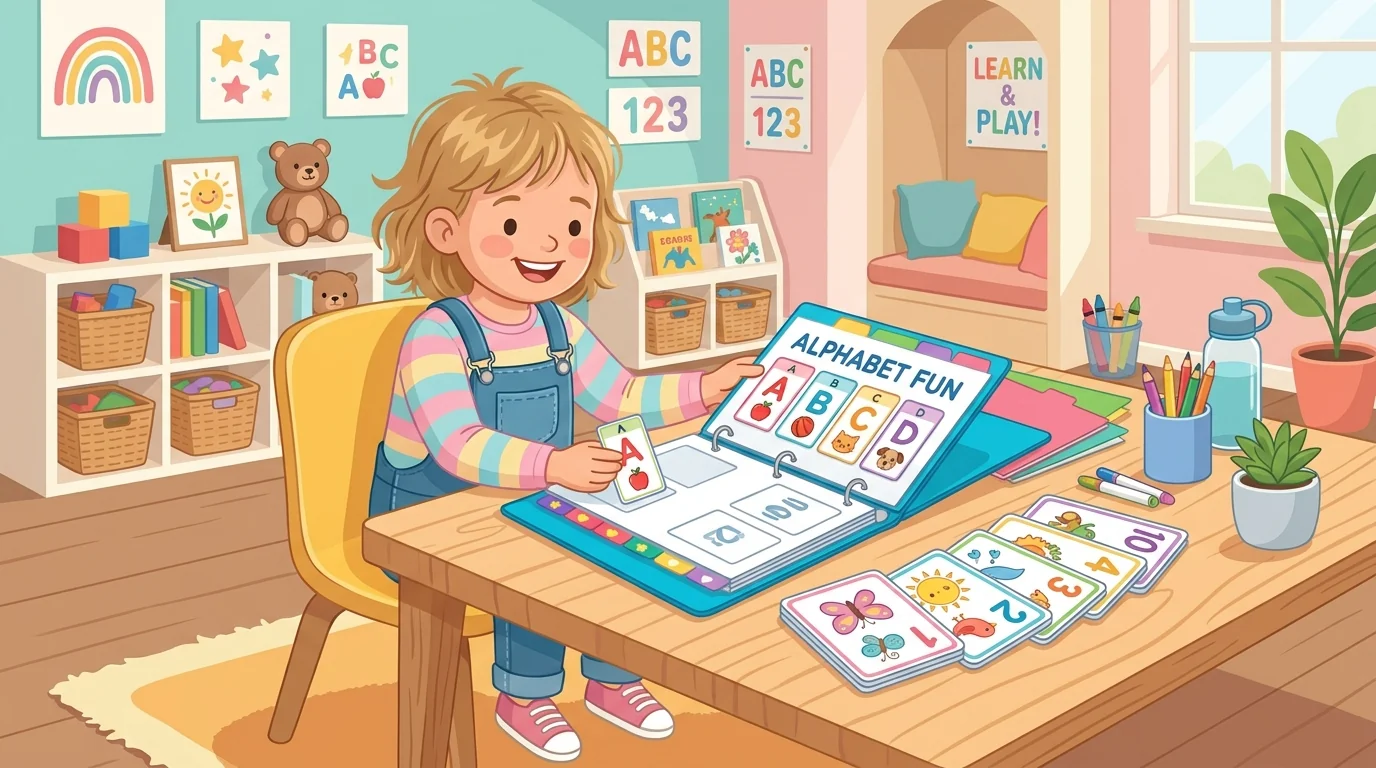
- Foundational Literacy: Upper and lowercase letter matching mats, initial sound phonics boards, and sight word identification cards.
- Early Numeracy: Ten-frame counters, one-to-one counting boards with tactile tokens, and basic 2D geometric shape sorting puzzles.
- Cognitive Logic: Color wheel sorting, pattern completion grids (AB, AAB, ABC patterns), and big-versus-small comparison mats.
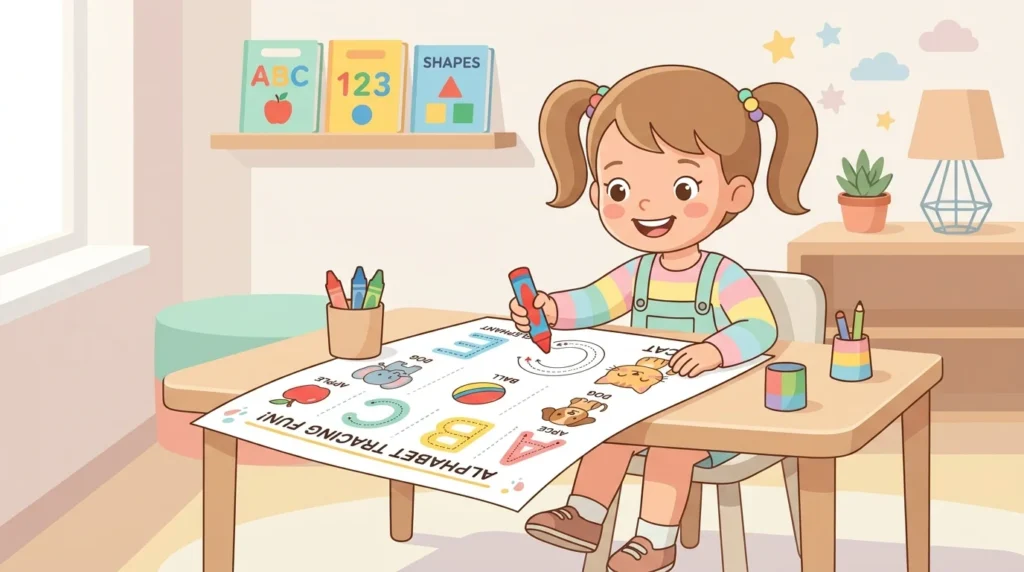
- Fine Motor Dexterity: Pre-writing line tracing paths (zigzag, wavy, circular lines) and scissor safety practice sheets.
Assembly Tools And Durability Secrets
Let me share a quick reality check about toddlers: if an activity sheet can be bent, ripped, or soaked with juice, it will meet that fate within ten minutes. Building a binder that survives months of daily use requires selecting the correct raw materials before you print a single page.
Standard printer copy paper (20 lb bond) is far too flimsy for manipulative boards. Instead, I always print interactive base pages on 65 lb or 80 lb white cardstock. Cardstock provides rigid structural support so that the page does not buckle when a child tugs firmly on a piece of hook-and-loop tape.
For lamination, 3-mil pouches work fine for flat adult documents, but they feel like floppy plastic film to a toddler. Upgrading to 5-mil thermal lamination pouches makes an immense difference. It gives each sheet a firm, wipe-clean plastic finish that withstands dry-erase markers and damp washcloths without peeling at the corners.
When attaching movable tokens, use clear, adhesive-backed hook-and-loop coins measuring half an inch (12 mm to 15 mm). Here is my personal golden rule for assembly: consistently place the scratchy rough hook dots on the binder base page, and put the soft loop coins on the back of the cut-out movable pieces. Following this rule ensures that loose pieces can also stick to felt boards without snagging delicate fabrics.
Designing Printable Templates For Digital Sellers
If you run an online digital stationery or printable shop, preschool learning binders offer exceptional commercial value. Parents gladly purchase digital printables because they save tens of dollars compared to buying pre-assembled plastic toys from big-box retailers. Meanwhile, home educators love the freedom to reprint damaged pages whenever necessary.
When drafting your digital printables, always format your master files in standard letter size (8.5 x 11 inches) and international A4 size. Keep a safety margin of at least 0.75 inches along the left border to accommodate standard three-hole punches or spiral binding machines without slicing through essential text.
If creating hundreds of individual learning sheets from scratch sounds daunting, you do not have to reinvent the wheel. You can explore the pre-built Kids Digital Products Complete Bundle, which provides comprehensive educational templates with commercial resell rights. Deploying vetted templates saves you dozens of design hours and lets you focus on branding, product curation, and customer experience.
For additional market context and curriculum planning ideas, review the guide on homeschool morning basket printables and check the resources on the PLR Biz Hub homepage to evaluate trending printable formats.
Engaging Routine Ideas For Homeschool Mornings
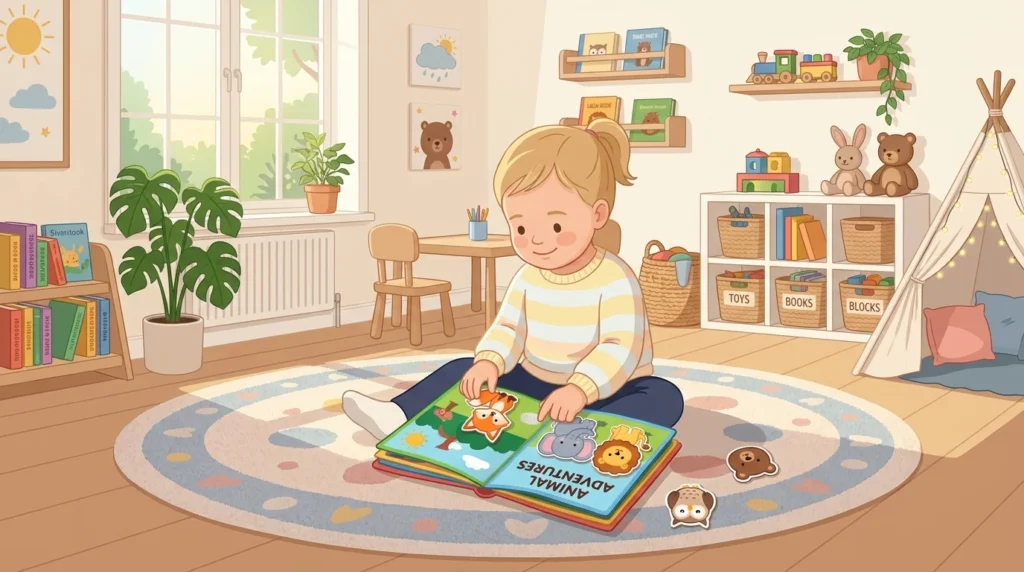
A preschool binder works best when treated as an exciting invitation to play rather than a rigid classroom test. I recommend integrating the binder into a relaxed ten-to-fifteen minute morning basket session. Sit beside your child on a cozy rug, let them turn the pages at their own pace, and celebrate their small discoveries.
Rotate movable pieces periodically to maintain freshness. For instance, in autumn, swap out plain circular counters for colorful acorn or maple leaf cutouts. In spring, switch to flower petals or rain boots. These subtle seasonal variations re-ignite curiosity without requiring you to assemble an entirely new binder from scratch.
Frequently Asked Questions
What age group benefits most from a preschool learning binder?
Children aged two to five gain the greatest developmental benefits. Younger toddlers enjoy basic color and shape matching, while four- and five-year-olds thrive with letter sound pairing, number tracing, and sight word recognition.
How do I clean dry-erase markers off laminated sheets?
A micro-fiber cloth dampened with warm water and mild dish soap easily wipes away fresh marker residue. For stubborn dried ink marks, a cotton pad soaked in standard rubbing alcohol restores the laminate surface to crystal clarity.
Can I bind these activity pages without a thermal laminator?
Yes, self-adhesive cold laminating sheets or heavy-duty clear sheet protectors work well. However, thermal lamination with 5-mil pouches remains the most durable option for pieces with hook-and-loop velcro dots.
Can I rebrand and sell printed physical binders using digital templates?
Yes, when you acquire digital assets backed by commercial or private label rights, you can print, assemble, and sell finished physical busy books to local parents or on handmade marketplaces.
Investing an afternoon into assembling a thoughtful preschool binder yields countless quiet, productive learning moments that spark a lifelong passion for discovery.