If you have ever tried dragging a groggy toddler straight into formal academic lessons at eight in the morning, you already know how quickly that strategy dissolves into tears. Years ago, my own early learning sessions felt like an uphill battle until I embraced a gentler, rhythmic approach. That transition brought me straight to the concept of a morning basket. By combining soothing read-alouds with interactive tactile sheets, homeschool morning basket printables create an inviting bridge between sleepy wakefulness and focused discovery.
A morning basket is not a test or a rigid curriculum schedule. Instead, think of it as a treasure box filled with colorful, low-stakes activities that ignite curiosity while building foundational cognitive connections. In this guide, I share my battle-tested framework for structuring toddler morning baskets, the best sensory printable assets to include, and how digital creators can design printables that parents love incorporating into their daily rhythms.
Key Takeaways
Essential principles for designing and implementing toddler morning basket routines:
- Morning baskets establish a gentle, predictable start to the homeschool day, reducing behavioral friction through interactive, play-based routines.
- Core printable assets should feature interactive calendar charts, movable weather wheels, daily emotion check-in dials, and poem-of-the-month cards.
- Limiting morning basket seatwork to fifteen minutes preserves toddler attention spans while building consistent long-term learning habits.
- Printable shop owners can bundle themed morning basket packs across seasonal topics to generate reliable recurring demand from homeschool families.
To skip the design phase and start selling profitable preschool assets immediately, Ready-made Kids Digital Products on plrbizhub.com provides professionally formatted digital assets that eliminate creation fatigue while maximizing profit margins. These tested templates allow creators to launch their stores in hours rather than weeks.
Core Components Of A Toddler Morning Basket
The beauty of a morning basket lies in its flexible, multi-sensory nature. Modern home education research highlighted on homeschool pedagogical resources shows that establishing structured morning rituals fosters emotional security and improves self-regulation in early learners.
When curating printables for a toddler or preschooler, I focus on four foundational elements that provide daily grounding without feeling repetitive:
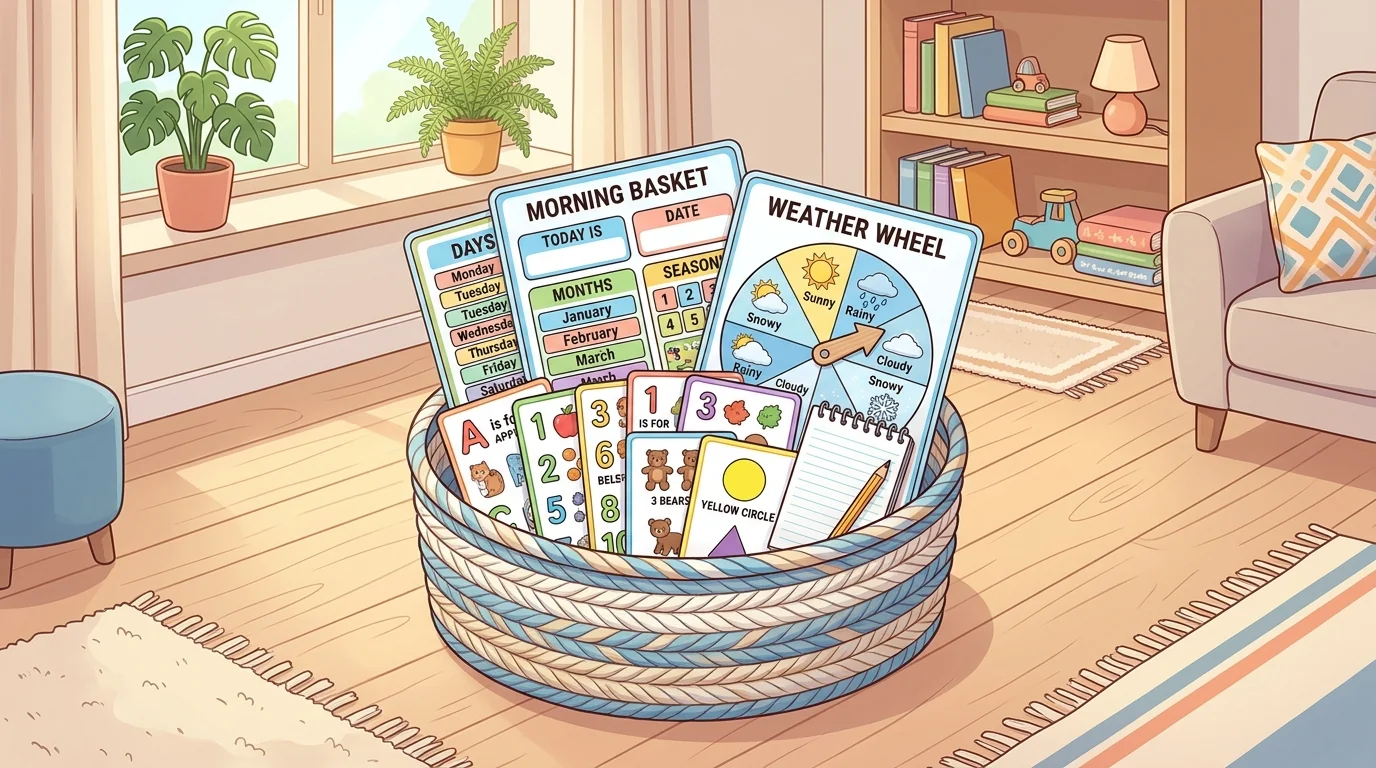
- The Daily Calendar Board: A laminated board displaying the day of the week, the numerical date, and the current month. Toddlers love moving the arrow slider or pressing velcro badges into place.
- The Weather And Season Wheel: A circular rotating wheel or interactive chart where the child examines the outdoor sky and matches a sunny, rainy, or windy icon.
- Emotional Check-In Cards: Simple illustrated emotion faces (happy, calm, frustrated, sleepy) allowing non-verbal or developing toddlers to communicate how their body feels before starting the day.
- Sensory Song And Rhyme Mats: Laminated nursery rhyme cards with tactile finger-tracing trails that encourage speech cadence and phonemic awareness.
Step-By-Step Layout And Assembly Strategy
To keep morning basket time frictionless, organization is everything. If you are scrambling for dry-erase pens or chasing down missing velcro coins while your toddler loses focus, the routine falls apart quickly. I use a shallow woven basket or felt caddy divided into clear sections.
Print all base activity mats on heavyweight 80 lb cover cardstock. Thermal lamination with 5-mil pouches is non-negotiable here because toddlers will inevitably bend the pages or attempt to bite the corners. Rounded corner punches (using a 5 mm corner trimmer) eliminate sharp plastic edges that could scratch delicate toddler fingers.
For items that require daily changes, such as calendar numbers, store loose tokens in a clear zippered pouch bound directly into the basket. When everything has a designated home, cleanup takes less than sixty seconds, leaving your living space peaceful rather than cluttered.
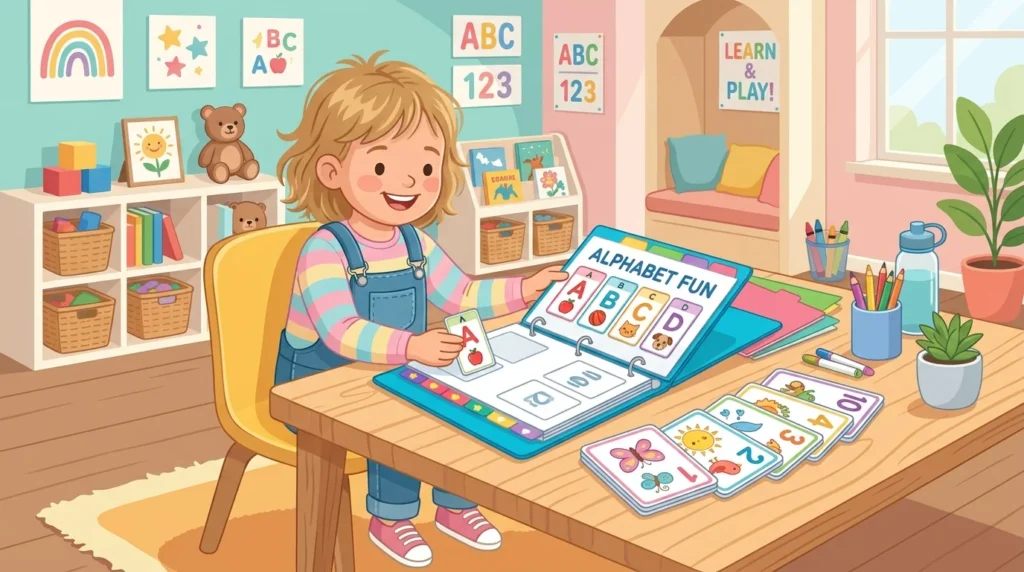
You can also integrate this routine alongside interactive workbooks. For example, pairing daily basket cards with our guide to preschool learning binders provides a seamless transition from warm-up routines to dedicated fine motor skill practice.
Designing Commercial Morning Basket Bundles For Resale
From a digital product seller perspective, morning basket printables represent an evergreen high-demand category. New parents enter the homeschool and preschool market every single month, actively searching for ready-to-print morning routine starter kits on independent digital storefronts, Shopify, and personal educator blogs.
When creating product listings, highlight the ease of implementation. Emphasize that your printables save parents dozens of planning hours and turn chaotic mornings into peaceful family connection. Provide clear printing guides, recommend standard laminating supplies, and include cut-line guides on every printable sheet.
If you want to fast-track your store launch with vetted curriculum assets, you can utilize the pre-formatted 12,000+ PLR Preschool Activities Bundle. This collection contains extensive early childhood worksheets, morning boards, and activity sheets with full commercial licensing, enabling you to package customized themed bundles in record time.
To maximize your store visibility and conversion rates, review the proven tactics in our tips for selling digital products and browse the current digital offerings on the PLR Biz Hub homepage.
Age Progression Adjustments From Age Two To Age Five
A developmental trap many homeschooling parents encounter is treating all preschoolers as having identical fine motor capabilities. A two-year-old toddler possesses vastly different hand-eye coordination compared to an energetic five-year-old preparing for kindergarten. Customizing your morning basket printables according to chronological developmental stages ensures that your child experiences empowering victories rather than frustrating roadblocks.
For young two-year-olds, focus exclusively on gross tactile manipulation. Use oversized tokens measuring at least two inches in diameter to eliminate choking hazards. Their daily morning basket should prioritize simple color matching (such as matching bright yellow lemons to a yellow basket graphic) and animal sound identification. Avoid any expectations of pencil grip or tracing lines at this stage.
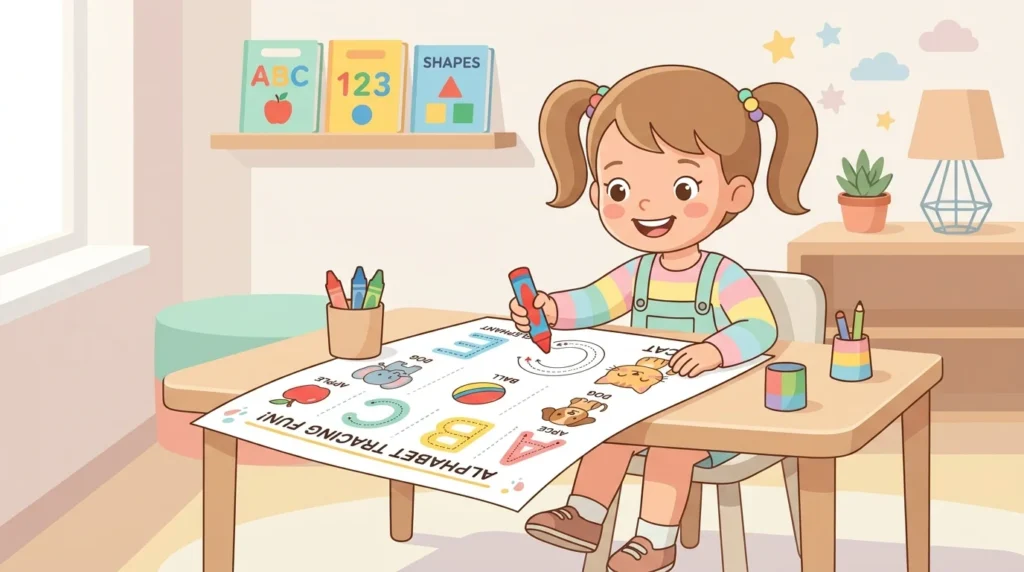
By age three and four, children eagerly embrace symbolic representation. You can introduce initial letter sound matching mats, basic counting frames from one to ten, and shape silhouette identification. They enjoy using chunky wooden dry-erase markers to trace wide, sweeping curved paths. Rotating these interactive boards weekly maintains an enthusiastic atmosphere during morning circle time.
For five-year-old pre-kindergarteners, morning basket printables can transition toward early literacy and logic. Include full name spelling strips with movable letter tiles, phonics rhyming pairs, and five-frame addition puzzles. Allowing older preschoolers to manage their own morning basket independently builds immense pride and sets a confident academic foundation.
Technical Printing And Laminating Settings For Peak Durability
To ensure your morning basket assets survive repeated handling without wrinkling or delaminating, adjust your home printer settings carefully. Always set your print dialogue box to ‘Actual Size’ or ‘100%’ rather than ‘Fit to Page’ to prevent unintended distortion of circle tokens and matching frames.
Select ‘High Quality’ or ‘Presentation Paper’ in your printer preferences to deposit saturated, vibrant pigment onto your cardstock. After running pages through your thermal laminator, allow each laminated sheet to cool completely flat on a hard tabletop for two full minutes before cutting. This simple cooling pause prevents edge curling and ensures adhesive hook-and-loop dots bond permanently to the plastic substrate.
Managing Attention Spans And Overcoming Toddler Resistance
A frequent mistake parents make is expecting a three-year-old to sit quietly for forty-five minutes completing morning sheets. Toddlers are physiologically wired for physical movement, exploration, and frequent sensory shifts.
Keep morning basket time capped at ten to fifteen minutes. The moment your child displays restlessness, transition seamlessly into physical movement, like dancing to an alphabet song or stretching like a tall tree. By keeping the session brief and delightful, children eagerly look forward to opening the basket again the next morning.
Frequently Asked Questions
How many activity sheets should I keep in a toddler morning basket?
Three to five interactive pages are ideal. A simple weather wheel, a daily calendar mat, and two rotating manipulative sheets provide plenty of stimulation without triggering sensory overwhelm.
Can I use morning basket printables with multiple children of different ages?
Yes, morning basket time works wonderfully as a shared family gathering. Older siblings can read poem cards aloud while younger toddlers manipulate velcro weather coins and practice basic color sorting.
What is the best way to rotate morning basket content?
Rotate two to three activity sheets every Monday morning. Introducing a fresh seasonal theme or a new sensory puzzle keeps anticipation high while maintaining familiar routine anchors.
Do I need expensive wooden baskets for this routine?
Not at all. Any sturdy plastic caddy, fabric bin, or repurposed storage box works perfectly as long as it keeps your daily interactive printables neat and easily accessible.
Creating a predictable, nurturing morning basket routine sets a peaceful tone that turns daily homeschool learning into a cherished family memory.