
Skipping fine print in digital licensing creates avoidable takedown notices and storefront account freezes right when sales start scaling. Learning how to customize plr digital products without copyright issues gives creators clear legal guardrails across copy edits, Canva stock graphics, product naming, and downstream buyer usage rights.
Key Takeaways
Safe private-label customization protects your brand across every marketplace and direct checkout:
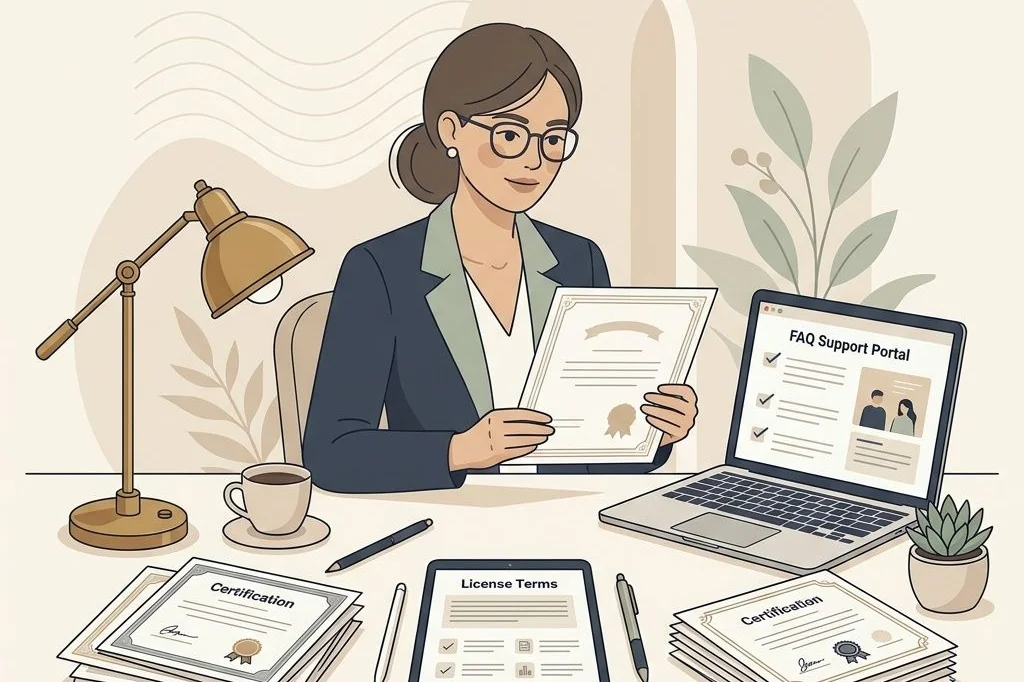
- Archive every vendor license PDF inside dated project folders so you retain proof of commercial rights indefinitely.
- Verify embedded stock icons and Pro illustrations obey Canva Content License rules (export flattened deliverables rather than sharing Pro asset source links directly).
- Run a quick trademark check before finalizing product names and bundle subtitles to prevent brand overlap conflicts.
- State clear “Personal Use Only” or explicit limited terms on customer PDFs unless your upstream license allows resale transfer.
Build compliant retail catalogs faster today: Ready-made Digital Products on plrbizhub.com arrive with clear written licensing documentation and clean editable layouts built for safe custom branding.
Which Copyright & License Traps Catch PLR Sellers Off Guard?
Even with broad PLR modification grants, trouble strikes in four overlooked edges: distributing Canva Pro elements as raw standalone PNG packs, lifting third-party brand trademarks inside planner titles, reselling non-transferable Resell Rights files, or quoting outside blogs without attribution under copyright ownership principles.
Explore detailed preventative checklists inside how to avoid copyright issues with PLR digital products before pushing bundles live.
| Risk Area | Common Seller Mistake | Safe Compliant Workflow |
|---|---|---|
| Stock Graphics & Fonts | Giving away Pro vectors as raw standalone PNGs | Export finished flattened PDFs or swap open-license icons |
| Upstream Vendor Rights | Guessing permissions from missing TXT notes | Retain written PDF license matching SKU order receipt |
| Buyer End-Use Clarity | Leaving download usage undefined on checkout | Place concise “Personal Use Only” footer inside PDFs |
| Marketplace Compliance | Uploading unedited stock covers verbatim | Rebrand visuals & rewrite 40%+ copy before listing |
Useful Articles:
What Is the 5-Step Safe Customization Workflow?
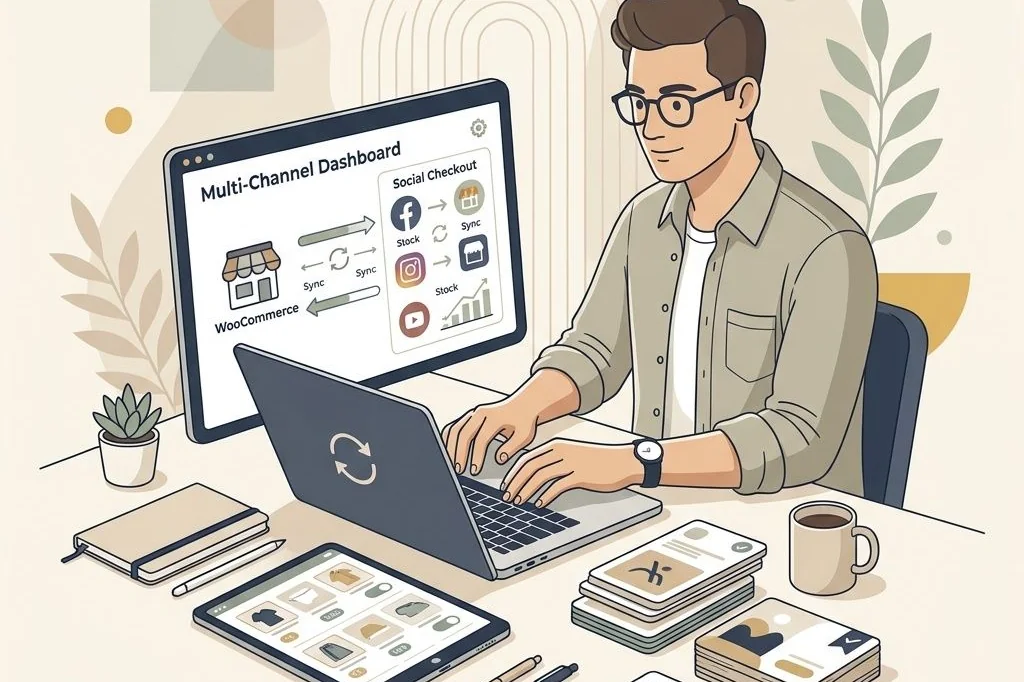
Follow one systematic 60-minute hygiene pass per asset before generating product mockups. Treating compliance as a standard pre-flight habit protects Payhip, Gumroad, Amazon, and WooCommerce store health indefinitely.
- Verify Upstream Terms & Save Proof: File the receipt and written license inside your SKU master folder immediately.
- Audit Fonts & Vector Icons: Check whether free alternatives or open-license creative fonts keep editable share templates 100 percent safe for free-tier buyers.
- Search Public Trademark Databases: Confirm your new product name avoids registered franchise titles on USPTO or EUIPO before creating artwork.
- Rewrite Headlines, Prompts & Add Original Pages: Replace generic intros, inject niche examples, and attach 2 original checklists for genuine differentiation.
- Verify Third-Party Platform Policies: Review low-budget PLR marketing channels alongside effective PLR distribution strategies before launch.
What Are the Trade-Offs Between Rewriting Deeply vs. Fast Edits?
Light 20-minute cosmetic swaps protect basic vendor terms yet fail marketplace originality filters like Amazon KDP, where shallow edits trigger duplicate content blocks. Investing 2 to 3 focused hours rewriting copy substantially and redesigning covers raises IP defensibility sharply, though pure wholesale PLR still does not allow registering blanket exclusive copyright over base shared sections. When not to publish under strict exclusive book claims is whenever foundational chapters rely mostly untouched on vendor drafts.
Useful Articles:
Frequently Asked Questions
Can a customized PLR asset ever be registered as an exclusive original book?
Only original additions, rewritten illustrations, or brand-new sections you author yourself carry individual originality—remember the underlying non-exclusive base asset remains licensed simultaneously to other buyers.
Is including Canva Pro graphics inside an editable PLR template link safe?
Selling editable template links built strictly with Free Canva elements guarantees zero buyer paywall errors; using Pro elements requires careful adherence to Canva’s Pro Template Share Link rules and never redistributing standalone Pro elements.
How much copy should I rewrite before launching on Kindle or print-on-demand portals?
Rewrite 50 to 80 percent of text structure, swap covers completely, and weave in original case examples so third-party originality checks treat your manuscript cleanly as transformed content.